Puncture vine traditional uses have been part of everyday home practices for generations.
Many people recognize this spiky plant as a nuisance, yet earlier cultures viewed it differently and included it carefully in their wellness routines.
However, there’s an interesting twist. Long before it became known as a nuisance, people in different cultures noticed this plant and found ways to use it in traditional wellness routines. Behind those painful spikes, many believed it held surprising value.
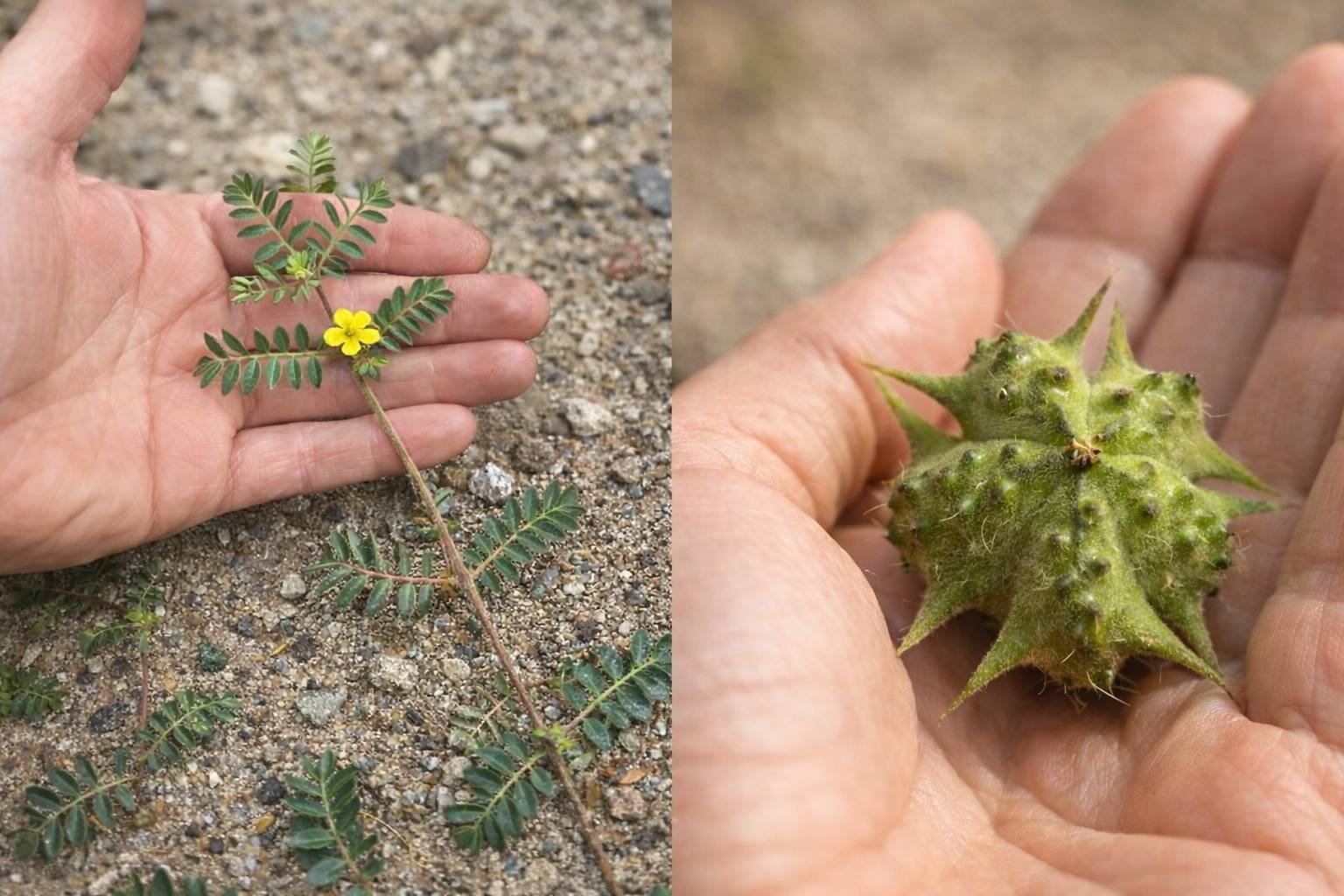
The Secret Is in the Spiky Fruit
This plant has leaves, roots, and flowers, but traditional use mostly focused on the fruit, which is the hard, spiky seed pod. While people sometimes made mild teas from other parts, they viewed the fruit as the most concentrated part of the plant.
In simple terms, they treated it as the strongest portion, similar to how seeds often store the most energy in many plants.
Puncture Vine Traditional Uses in Daily Life
For generations, people included this plant in everyday wellness practices. Rather than seeing it as a miracle cure, they used it as part of a balanced lifestyle. Here are some of the traditional reasons it was mentioned:
- Everyday Vitality: Many people associated it with feeling more energized and supported during physically demanding days.
- Confidence and Balance: In folk traditions, it often appeared in conversations about overall vitality for both men and women.
- Physical Endurance: Active individuals and athletes traditionally included it in routines focused on stamina and recovery.
- Circulation Support: Traditional use often highlighted its role in supporting normal blood flow and physical comfort.
- Urinary Comfort: It appeared in folk practices related to fluid balance and general urinary comfort.
- Mental Balance: Some people believed it helped them feel calmer and more resilient during stressful periods.
These puncture vine traditional uses explain why people continued including the plant in home routines for centuries.
Traditional Puncture Vine Home Practices
These methods reflect old home practices and are not meant to replace professional advice.
Step 1: Careful Harvesting
- Wait until the spiky fruits turn brown and dry.
- Always wear thick gloves to protect your hands.
- Let the fruits dry completely in a well-ventilated place for one to two weeks.
Step 2: Simple Traditional Preparations
Herbal Tea
- Crush a small amount of the dried fruit.
- Boil it in water for about 15 minutes.
- Strain carefully and drink in small amounts.
Honey Mixture
- Grind the dried fruit into a fine powder.
- Mix it with raw honey and let it sit for a week.
- Many people preferred this method for its smoother taste.
Herbal Tincture
- Place crushed fruit in a glass jar.
- Cover with alcohol and store it in a dark place for several weeks.
- Shake occasionally, then strain before use.
A Word of Caution
Even natural plants deserve respect.
- Moderation matters: Using small amounts was always part of traditional advice.
- Not for everyone: Pregnant or nursing individuals, or anyone with existing health concerns, should avoid experimenting without guidance.
- Pay attention to your body: If discomfort appears, stop using it.
You can find more natural ideas in our Home Remedies section.
Final Thoughts
That spiky “Goat Head” weed is a good reminder that nature often hides its traditions in unexpected places. While many people see it as a nuisance today, earlier generations viewed it differently and included it carefully in their daily routines.
When used thoughtfully and with respect, it remains an interesting example of how traditional knowledge once shaped everyday wellness habits.
For general information about puncture vine, you can visit the National Center for Biotechnology Information website.