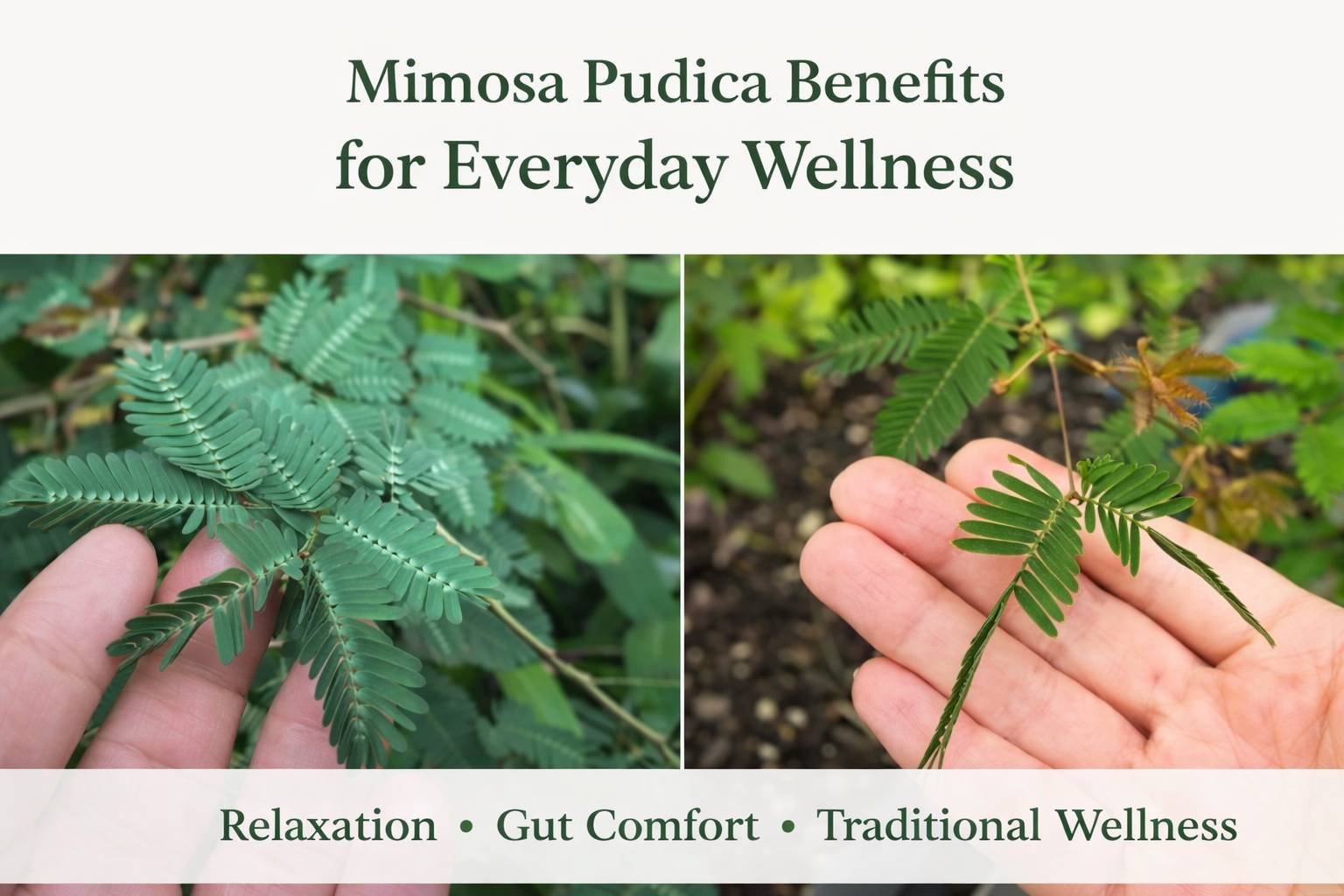
Mimosa pudica benefits have become a popular topic in natural wellness circles, especially for people interested in gentle herbal traditions.
Do you remember that tiny plant that folds up the moment you touch it?
As kids, we thought it was the coolest little “magic trick” in the garden.
That plant is called Mimosa pudica, often known as the sensitive plant.
For most of us, it was just a fun memory from childhood. But recently, more people have started talking about it again — not because it moves, but because it has a long history in traditional herbal practices.
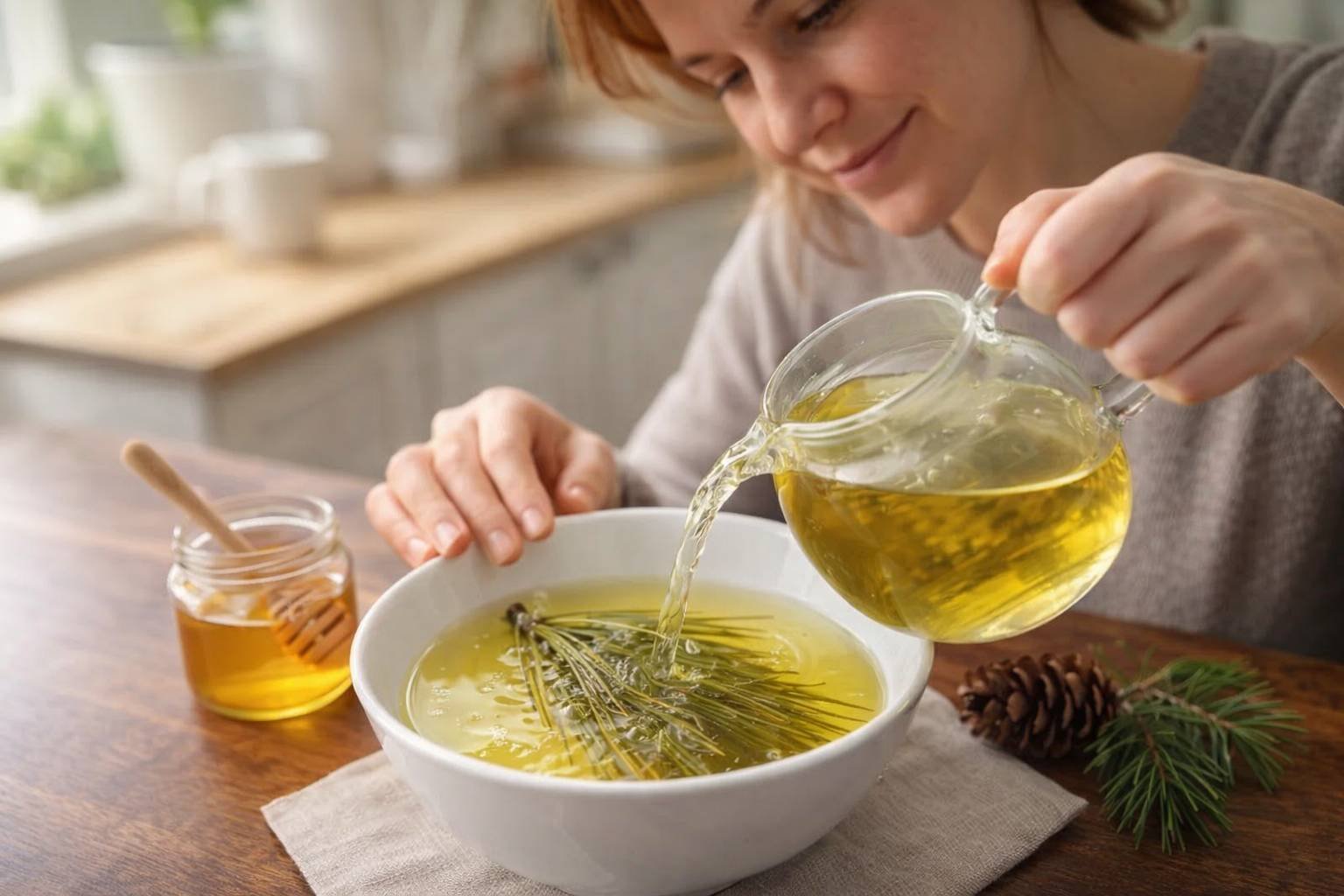
Just like many people explore things such as pine needle tea or other natural wellness habits, Mimosa pudica has quietly become another plant of interest in the world of simple, plant-based living.
So what makes it so special?
Let’s take a realistic, gentle look at why this “shy” plant is getting attention again.
Why People Are Interested in Mimosa Pudica
First, it’s important to say this clearly:
Mimosa pudica is not a miracle cure, and it doesn’t replace medical care.
However, traditional cultures have used this plant for many everyday wellness purposes, especially when people wanted natural support in a gentle way.
Here are a few of the most common reasons people include it in their routine.
Mimosa Pudica Benefits
1. A Popular Herb for Gut Comfort
One of the main reasons people talk about Mimosa pudica today is digestion.
Many herbal traditions used it when someone wanted to feel more balanced, especially after discomfort or irregular digestion.
It’s often mentioned in modern wellness circles as a plant that supports a healthy gut environment.
2. Traditional Support During Seasonal Changes
Just like people look into herbs and teas during colder months, some use Mimosa pudica as part of a natural seasonal routine.
It’s one of those plants that appears often in traditional wellness systems.
3. A Plant People Associate With Calm and Relaxation
Some people enjoy herbs not because they “treat” anything, but because they help create a calming daily ritual.
A warm tea, a quiet evening routine, and gentle plant-based habits can feel grounding — and this is one reason Mimosa pudica is sometimes explored.
4. Used Traditionally for Skin Comfort
In certain traditions, people applied crushed leaves to the skin for minor everyday issues, similar to how many cultures use simple plants topically.
This is more about comfort and tradition than medical treatment.
5. A Natural Source of Plant Compounds
Like many herbs, Mimosa pudica contains natural plant compounds that researchers continue to study.
That doesn’t mean it “cures” anything — but it explains why it has remained interesting in herbal history.
These mimosa pudica benefits explain why many people explore this plant as part of a simple wellness lifestyle.
Mimosa Pudica Benefits in Simple Everyday Use
If you ever come across this herb, here are some gentle and common ways people use it.
Mimosa Pudica Tea
Many people enjoy it as a calming herbal tea.
- Steep dried leaves in hot water for about 10 minutes
- Strain and sip slowly
- Best enjoyed as part of a relaxing routine
Capsules or Powders
Some prefer supplements because they are convenient.
If using any product, always follow the label instructions and avoid excessive amounts.
Traditional Topical Use
Some cultures used the fresh leaves externally for simple skin comfort.
Always patch-test first, and avoid using it on broken or sensitive skin.
A Quick Safety Reminder
Even natural herbs can be strong.
- Avoid use during pregnancy or breastfeeding
- Always consult a professional if you have medical conditions
- Never overuse herbal supplements
- Use plants for gentle wellness habits, not as treatment
Many people enjoy learning about mimosa pudica benefits as part of a gentle, natural wellness routine.
You can find more natural ideas in our Home Remedies section.
Final Thoughts
Mimosa pudica is more than just a childhood “touch-and-close” plant.
It’s a fascinating herb with a long traditional history, and many people enjoy learning about it as part of a natural wellness lifestyle.
If you love exploring simple plants, herbal teas, and traditional comfort remedies, this sensitive plant is definitely an interesting one to read about.
Disclaimer: This article is for informational purposes only and does not provide medical advice.
For general information about Mimosa pudica, you can visit the National Institutes of Health website.